Introduction
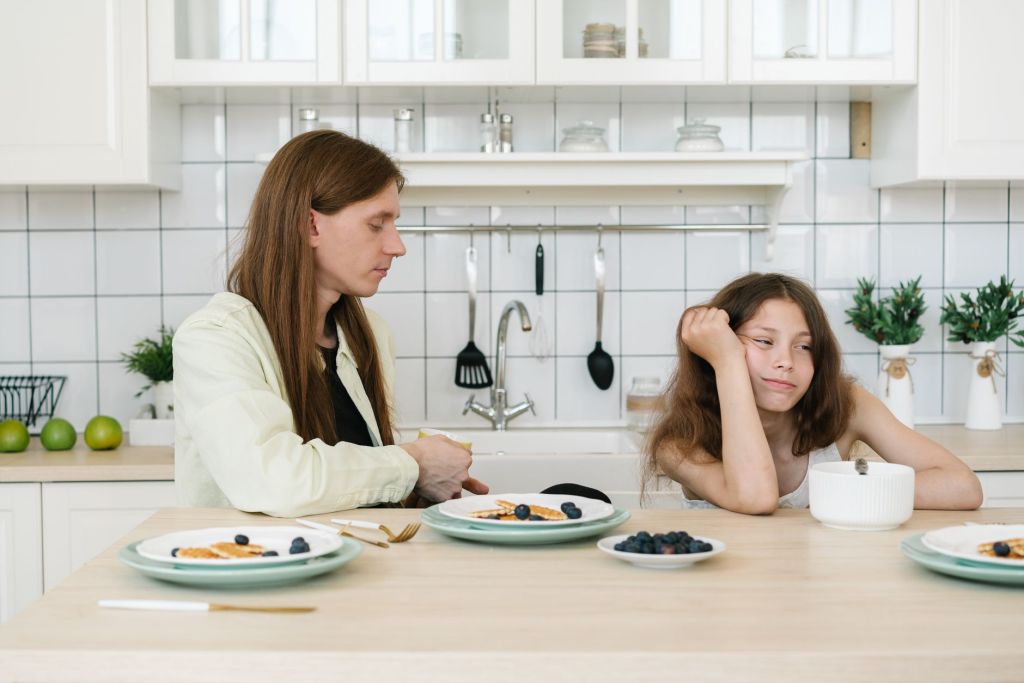
One of the more difficult parts of parenting a teenager is noticing that the child who once wanted to share almost everything with you now seems to be spending more time alone. They may prefer their own company, spend more time with friends, become less interested in family activities, or share fewer details about their day.
For many parents, this change can feel confusing or even hurtful. You may wonder whether you have done something wrong or whether your teenager is becoming less attached to the family.
However, growing distance does not automatically mean that your teenager loves you less or no longer values your relationship. Adolescence is a period of significant emotional, social, and developmental change. As young people begin to form their own identities and develop a stronger sense of independence, their relationships with parents naturally begin to change too.
Understanding why this happens can help parents see teenage distance from a different perspective. It is not always a sign of rejection; sometimes it is part of the journey towards adulthood.
If you would also like practical guidance on navigating difficult conversations, our article on how to talk to your teen without starting an argument explores ways to maintain positive communication.
Why do teenagers pull away from their parents?
There is rarely one explanation for why a teenager becomes more distant. Several changes can happen at the same time, influencing how they see themselves, their family and the world around them.
1. They are developing their own identity
During adolescence, young people begin exploring who they are and what matters to them. They develop personal interests, opinions, beliefs, and values that may sometimes differ from their parents’.
A teenager who once enjoyed doing everything with the family may now want to make more of their own choices. They might develop new hobbies, change their interests, or question certain family expectations.
This process of self-discovery is an important part of growing up. It helps teenagers develop a sense of identity beyond their role in the family.
2. Their friendships become increasingly important
As teenagers grow older, friendships often take on a greater role in their lives. Friends can provide a sense of belonging, acceptance and understanding during a period when young people are working out where they fit in.
They may become more interested in spending time with friends, attending social activities or keeping up with what is happening within their friendship groups.
For parents, this can feel like a shift in priorities. However, developing relationships outside the family is an important part of social development. It does not mean that family relationships have lost their value.
3. They are seeking more privacy
A growing need for privacy is another reason teenagers may appear more distant. They may become more protective of their personal space, belongings, online activities, and private thoughts.
For example, a teenager who once shared details about their friendships may now prefer to keep certain things to themselves. They may also want more time alone in their bedroom or feel uncomfortable discussing every aspect of their day.
This does not necessarily mean they are hiding something. Privacy can be part of developing personal boundaries and learning to manage their own lives.
Parents still have an important responsibility to provide appropriate supervision and keep their teenagers safe, but privacy can gradually increase as young people mature.
4. They are learning to form their own opinions
Teenagers begin to think more independently and may question ideas, rules and decisions they previously accepted without much discussion.
You might notice that your teenager challenges family routines, disagrees with your opinions or wants a greater say in decisions that affect them.
Although these differences can sometimes create tension, they also provide opportunities for young people to develop their judgement and understand the consequences of their choices.
Having a different opinion from a parent does not necessarily mean a teenager is being disrespectful or deliberately difficult. It may simply reflect their growing ability to think for themselves.
5. They may be experiencing pressures they find difficult to explain
Teenage life can involve several pressures, including schoolwork, examinations, friendships, social expectations and uncertainty about the future.
Some teenagers may find it difficult to explain what is troubling them. Others may not yet understand their own feelings or know how to ask for support.
As a result, they may become quieter, spend more time alone or appear less interested in activities they previously enjoyed.
It is important not to assume that every change in behaviour is simply part of growing up. Sometimes distance can be a sign that a young person is dealing with something that needs attention and support.
6. Their relationship with their parents is changing
As children grow into teenagers, the parent-child relationship gradually changes. Parents may no longer be involved in every decision or activity, and teenagers may want to take greater responsibility for their own lives.
This can be an adjustment for both sides. Parents may miss the closeness of childhood, while teenagers may feel ready for more independence.
The relationship is not necessarily becoming weaker. It is developing into a different stage, where growing independence and continued parental support need to exist alongside each other.
Does a teenager pulling away mean something is wrong?
Not necessarily. Wanting more privacy, spending time with friends and becoming more independent can be ordinary parts of adolescence.
However, it is important to look at the wider picture rather than dismiss every change as typical teenage behaviour.
Parents may need to pay closer attention if their teenager:
- Becomes increasingly isolated and withdraws from friends as well as family.
- Loses interest in activities they previously enjoyed.
- Experiences persistent sadness, anxiety, or noticeable mood changes.
- Shows significant changes in sleep, eating habits, or school attendance.
- Struggles to manage everyday responsibilities or appears unusually distressed.
One sign on its own does not establish that something is wrong. What matters is the overall pattern, how long the changes continue, and whether they affect the young person’s daily life.
If you are concerned, consider speaking with your GP, school pastoral team or another appropriate health or support professional. Your teenager should not have to manage difficult experiences alone.
How can parents remain an important part of their teenager’s life?
Although teenagers may seek more independence, they continue to need stability, encouragement and guidance from their parents.
The aim is not to prevent them from growing up or to recreate the closeness they had as younger children. Instead, parents can recognise that their role is evolving.
Consider these three important principles:
Allow independence while maintaining appropriate boundaries. Give your teenager opportunities to make age-appropriate decisions and learn from everyday experiences. Continue providing guidance about responsibilities, safety, and family expectations.
Remain interested in their lives. Their interests, friendships, and priorities may change. Taking an interest in the things that matter to them helps you understand the person they are becoming, even when their world looks different from yours.
Make family connection part of everyday life. Closeness does not always require long conversations or organised activities. Shared meals, family traditions, errands and ordinary moments can help preserve a sense of belonging.
These small opportunities remind teenagers that they remain an important part of the family, even as they develop lives and interests of their own.
A GlowFam reminder: Give them room to grow, but remain present
Watching a teenager become more independent can bring mixed emotions. Parents may feel proud of the young person they are becoming while also missing the closeness of earlier years.
It is worth remembering that growing independence does not remove the importance of parental love and guidance. Your teenager may not always express their need for support in the same way they did as a child, but your steady presence continues to matter.
As parents, we can give our teenagers room to discover who they are while continuing to provide the values, encouragement, and guidance that help them make wise choices.
Proverbs 3:5–6 reminds us to trust in the Lord and seek His guidance in the paths we take. Parenting through adolescence also calls for patience, wisdom, and trust as we guide our children through a changing season of life.
You do not need to control every stage of your teenager’s journey. Your role is to remain a dependable source of love, guidance, and support as they grow.
Try this this week
Think about one family tradition or simple activity your teenager used to enjoy. Rather than insisting that they return to it, consider whether there is a new way to make it relevant to their current interests.
It could be preparing a meal together, watching a programme, going for a short outing, or sharing a family activity they would genuinely enjoy.
The aim is not to force closeness, but to keep creating opportunities for connection as your relationship grows and changes.
Sources and further reading
- NHS – Coping with your teenager
- UNICEF – Parenting of adolescents: Programming guidance
- American Academy of Pediatrics – Stages of adolescence
This article is for general parenting information and is not a substitute for professional advice.


Leave a Reply